
John Eastman delivers the closing remarks at the Claremont Institute's 2016 Constitution Day Celebration.
Christopher DeMuth with Charles Kesler
Charles Kesler interviews Christopher DeMuth on civil rights, neoconservatives, and problems without solutions; the rise of the administrative state; fighting the administrative state; the coming crisis of the national debt and deficit problem; and new institutions and the think tank phenomenon.
The American Mind presents a range of perspectives. Views are writers’ own and do not necessarily represent those of The Claremont Institute.
The American Mind is a publication of the Claremont Institute, a non-profit 501(c)(3) organization, dedicated to restoring the principles of the American Founding to their rightful, preeminent authority in our national life. Interested in supporting our work? Gifts to the Claremont Institute are tax-deductible.
Suggested reading
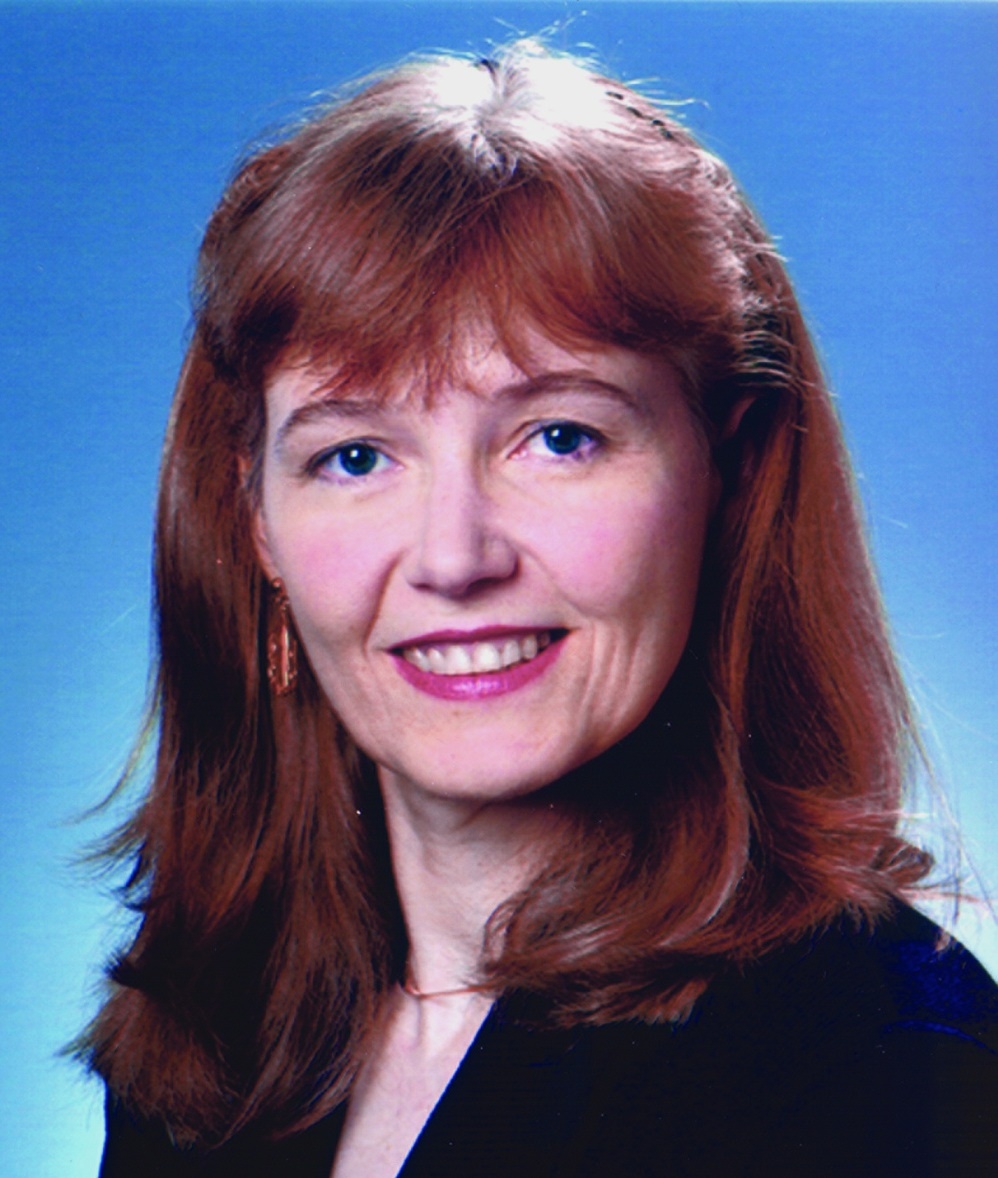
Charles Kesler interviews Diana Schaub on the American experiment and its character; what black American writers have had to say on the subject; and the careers of Malcolm X and Martin Luther King, Jr.
Dean Reuter, Hans A. von Spakovsky, and Lawrence VanDyke discuss our increasingly politicized executive branch.
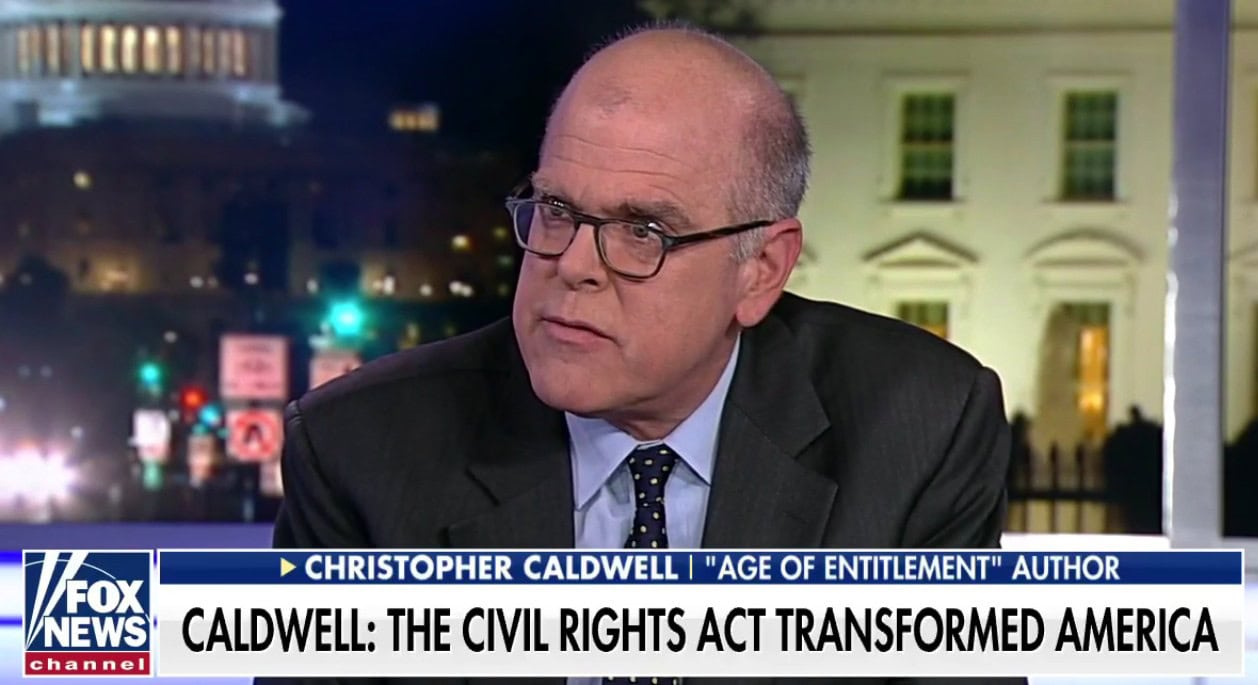
Christopher Caldwell, author of The Age of Entitlement, examines how the Civil Rights Laws transformed American conceptions about democracy.
John Malcolm, John Shu, Michael Uhlmann, and John Yoo discuss the erosion of the separation of powers.
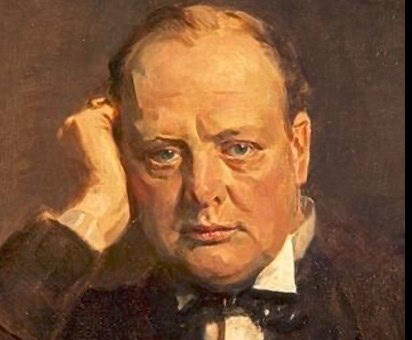
2011 Annual Churchill Dinner in Honor of Sir Winston S. Churchill-Paul Ryan “Our Churchillian Moment
The Claremont Institute is proud to welcome Congressman Paul Ryan, keynote speaker and recipient of the 2011 Statesmanship Award in Honor of Winston Churchill. These are Rep. Paul Ryan's remarks from the November 12, 2011 dinner held by the Claremont Institute in Newport Beach, CA.

