

Iran continues to expand its influence throughout the Near East.
Bribery “Diplomacy” Is Over
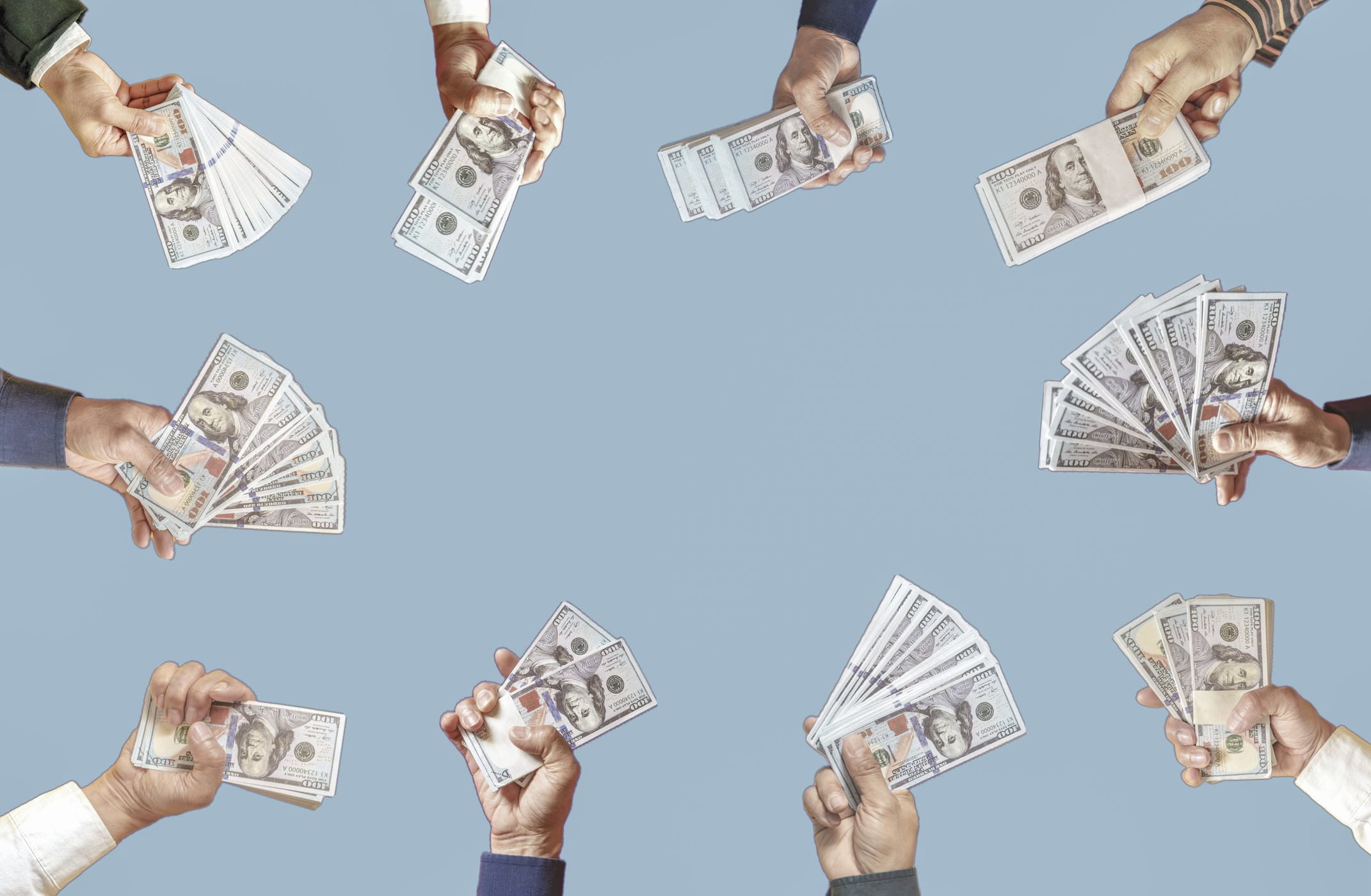
Sending truckloads of money with abandon is over.
Since the end of the Cold War, the United States has attempted to hold Pax Americana together with a simple, deeply flawed strategy: pay everyone off and hope they behave. Allies, adversaries, neutrals—it didn’t matter. Subsidies, aid, trade asymmetries, security guarantees, sanctions waivers, and diplomatic indulgences were handed out on the assumption that gratitude would follow. It didn’t—entitlement did.
Bribery diplomacy rests on a childlike premise: if you keep paying, people will stay in line. In reality, when money flows freely and consequences never arrive, it stops being leverage and becomes reverse tribute. Nations don’t become loyal. They become resentful, arrogant, and defiant. And the moment you threaten to turn off the spigot, the outrage begins. “How dare you?” “You’re betraying us.” “You’re imperialist.” “You’re fascist.” The language is predictable because the psychology is.
Europe is the archetype. After World War II, the United States rebuilt the continent and underwrote its security. That made sense at the time. What didn’t make sense was continuing to subsidize Europe indefinitely while tolerating trade imbalances, defense freeloading, and open hostility toward American interests. When Trump demanded NATO countries pay their share, it was treated as the end of the “world order.” When he demanded reciprocal trade instead of one-way free trade, elites panicked. The system wasn’t collapsing; the subsidy was.
What changed wasn’t American behavior; it was American clarity. The current administration made explicit what had long been implicit: access to American markets, protection, and capital requires alignment. Some countries understood this immediately. Middle Eastern, Eastern European, and East Asian nations recalibrated. Traditional allies, by contrast, were offended. They mistook indulgence for permanence and reacted by publicly rebuking “America First” while privately relying on it.
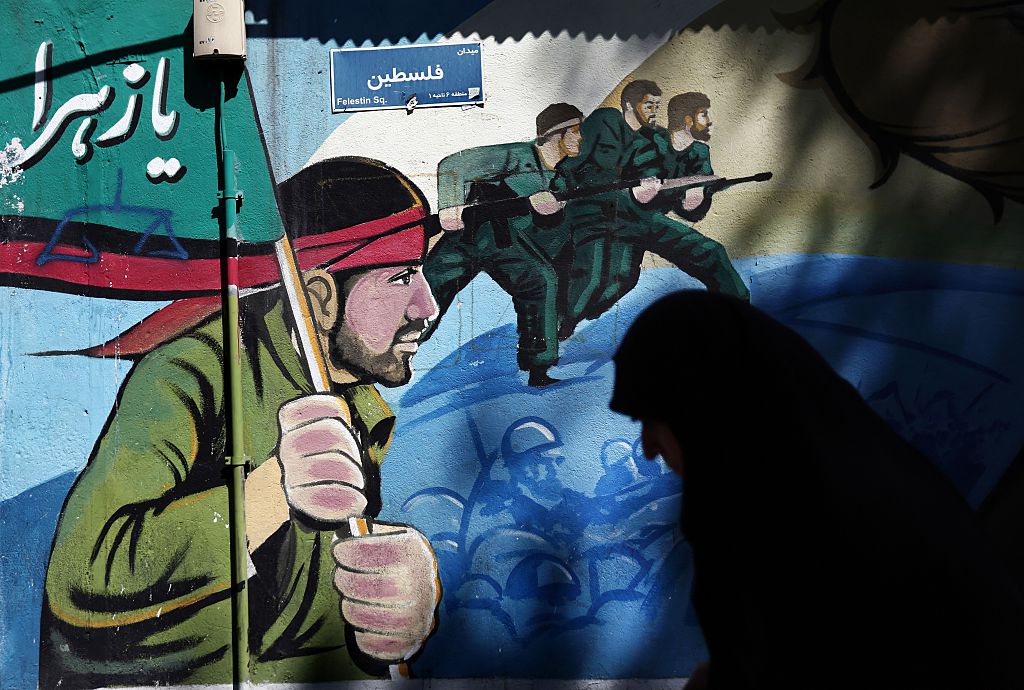
Iran is the most damning case study. Under George W. Bush, billions flowed into Iraq and were then directly funneled to Tehran without consequence. Under Obama, the United States openly paid the regime and wrapped capitulation in the language of diplomacy via the Joint Comprehensive Plan of Action and rebuked the election of the democratically elected ally Allawi in favor of Iranian stooge Maliki (so much for promoting democracy). Iran expanded its terror network accordingly. Under Trump, the architect of Iran’s global terror strategy, Soleimani, was killed, and Iran did nothing of consequence because they couldn’t. Later, U.S. backing enabled Israel and Saudi Arabia to dismantle Iranian proxies, from Hamas to the Houthis, and take the fight directly to Tehran. Once confronted with real force, the “regional power” revealed itself as brittle.
Venezuela followed the same pattern. For decades, administrations denounced Chávez and Maduro while allowing them to align with China, Russia, and Iran, turning a once-rich country into a failed, hostile state in America’s backyard. Diplomacy dragged on without building real regional allies or applying real pressure, only talk and worthless denunciations. Trump ended the illusion in under two hours by capturing, arresting, and indicting Maduro on narco-terror charges. No ground invasion. Just consequences, and Russian and Chinese defense measures left exposed as totally inadequate against the U.S.’s ability to enact justice.
The result is uncomfortable for those who prefer fairy tales. The United States doesn’t need to be the “nice guy” to be effective. Paying the junkie with more crack doesn’t cure the addiction. It deepens it. Power unexercised becomes doubted. Power exercised becomes deterrence.
The Washington establishment will insist that this approach is reckless, unsustainable, and destabilizing. They said the same about confronting the USSR, withdrawing from the Iran deal, and moving the U.S. embassy to Jerusalem. They were wrong then. They’re wrong now. The real risk isn’t that America acts; it’s that America stops paying people who dislike us. Bribery never buys loyalty. It buys temporary compliance but long-term resentment. Trump didn’t end diplomacy. He ended the lie that money without consequence counts as diplomacy at all.
The American Mind presents a range of perspectives. Views are writers’ own and do not necessarily represent those of The Claremont Institute.
The American Mind is a publication of the Claremont Institute, a non-profit 501(c)(3) organization, dedicated to restoring the principles of the American Founding to their rightful, preeminent authority in our national life. Interested in supporting our work? Gifts to the Claremont Institute are tax-deductible.
Suggested reading
At the National Conservative Conference, a vision of Christian humanism.

Volker Türk is the face of everything that has gone wrong in international affairs.
Despite hostility from the Biden Administration, the report stands as a guiding light for future generations.

The money spigot is finally being shut off.

Central bank independence has always been a myth.

