

From The Abolition of Man to “Screwtape Proposes a Toast.”
George Washington’s Wisdom for the Midterms
No political movement can succeed by ignoring its voters’ self-interest.
The 2026 midterm elections present a tough environment for the Republican Party, raising questions about how to campaign in such challenging circumstances. As is often the case in American politics, the economy is a central concern for voters. In the last few weeks, prices—particularly for gas—have been too high for the comfort of any incumbent party. What have Republicans been saying to assuage voters’ concerns?
Some have taken a kind of high road, encouraging or even admonishing voters to rise above self-interest and consider the loftier aims President Trump and his administration are pursuing. Yes, gas prices may be high, but the president is trying to end the Iranian threat to American national security. This process is taking longer and causing more economic pain than anyone would like. But it is worth it for the nation in the long run, and so patriotic voters should toughen up. So the argument runs.
This approach, however, has no shortage of critics. They think it is futile or worse (maybe insulting) to tell ordinary voters, whose economic means are increasingly limited, to grin and bear higher prices on the necessities of life. This environment, they suggest, is a recipe for electoral disaster for the Republican Party.
The critics have a point. It is never prudent for any political party—especially a pragmatic, competitive party that hopes to win elections and not just advance philosophical arguments—to appear indifferent to the ordinary self-interest of voters. To make this error is not only to misread the present American electorate, but to misunderstand human nature, the basis of politics at all times and in all places. This is not to say that a successful political party must appeal only to narrow self-interest. Voters can respond to appeals to moral principle and national pride. Nevertheless, to neglect self-interest is to neglect one of the vital springs of human conduct. The party that does this as a regular practice courts defeat.
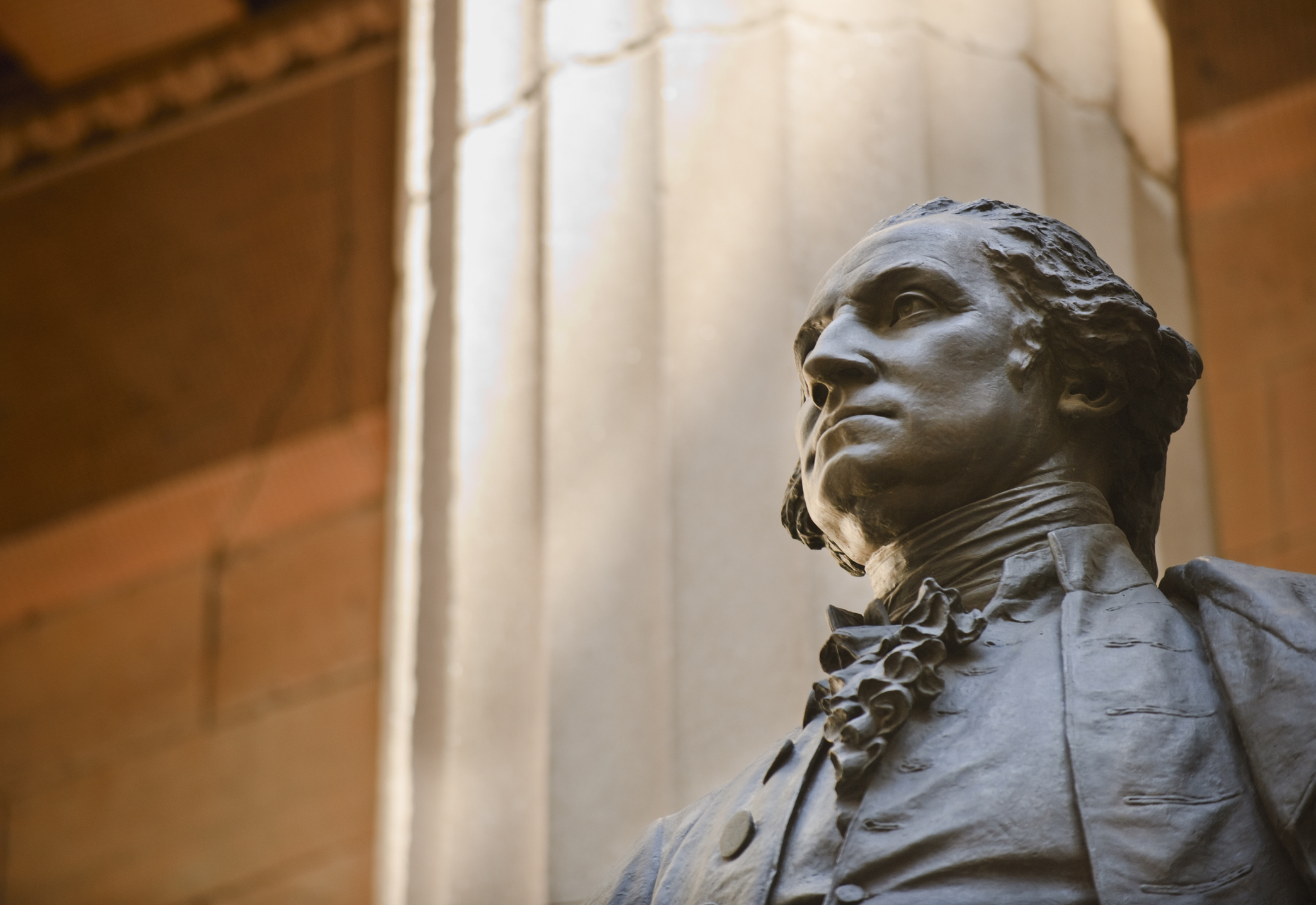
This is one of the practical political lessons George Washington, one of the greatest Americans, learned during the Revolutionary War. As the war lengthened, he pleaded with increasing urgency with Congress to provide for the army—better pay, better clothes, better food. Washington continually reminded the nation’s political leaders that without adequate provision, it would be impossible to keep the army together, much less achieve victory.
Underlying Washington’s argument is an assumption about the nature of the men composing the army essential to securing American independence—namely, that they could not be relied upon to continue in service if they were not properly compensated. In other words, Washington assumed that the heroes of the Revolution were governed to a considerable extent by self-interest.
Washington laid out this understanding explicitly in a 1778 letter to a committee of the Continental Congress:
A small knowledge of human nature will convince us, that, with far the greatest part of mankind, interest is the governing principle; and that, almost, every man is more or less, under its influence. Motives of public virtue may for a time, or in particular instances, actuate men to the observance of a conduct purely disinterested; but they are not of themselves sufficient to produce a persevering conformity to the refined dictates and obligations of social duty. Few men are capable of making a continual sacrifice of all views of private interest, or advantage, to the common good. It is in vain to exclaim against the depravity of human nature on this account—the fact is so, the experience of every age and nation has proved it, and we must, in a great measure, change the constitution of man, before we can make it otherwise. No institution, not built on the presumptive truth of these maxims can succeed.
It is important to emphasize that Washington is not taking a low view of human nature—he is taking a realistic view of it. Washington does not deny that human beings act on motives other than self-interested ones. He was himself a man of honor and of conscience. In his general orders to the army, he routinely appealed to lofty principles when communicating with his subordinates—officers, gentlemen, and ordinary soldiers. In his private correspondence, Washington acknowledged that many men had joined the army out of patriotic motives. Such motives are genuine in the human heart and therefore have real influence on political life. Nevertheless, he understood that such motives cannot sustain most men, and certainly not a whole nation, on their own.
Conservatives often say that we would do well to learn from the high principles of our nation’s founders. But it is also just as necessary to learn from their realistic understanding of human nature. Without their realism about what motivates human beings, the founding generation would not have defeated the British and established a republican government in the service of lofty ideals. Similarly, no political movement today (or at any time) can succeed in the long term without taking care of its voters’ self-interest and the common good of the country more generally.
Of course, sometimes, despite a ruling party’s best efforts and intentions, bad economic conditions will sour the electorate’s mood. What is such a party to say to its voters? Here, too, Washington provides a good guide.
When officers and soldiers complained about not being paid, Washington did not ignore them or tell them they should consider it a privilege to sacrifice for their country. He reminded his men that their long-term interests would be served by the nation’s independence; he agreed that their complaints were just and reasonable; and he assured them that steps were being taken to improve their situation. This was a prudent and candid way for Washington to deal with his army, and it offers a model for how Republicans should address American voters today.
The American Mind presents a range of perspectives. Views are writers’ own and do not necessarily represent those of The Claremont Institute.
The American Mind is a publication of the Claremont Institute, a non-profit 501(c)(3) organization, dedicated to restoring the principles of the American Founding to their rightful, preeminent authority in our national life. Interested in supporting our work? Gifts to the Claremont Institute are tax-deductible.
Suggested reading
Advice from Old Nick on how to strengthen our republic.

The Right should reclaim the populist ground that enabled its biggest victories.

The Founders' debate over Thanksgiving.

The president should make up to five prospective nominations in the first 100 days.

They stand with President Trump because he stood with them when no one else would.

