

It’ll require political will, statutory reform, and likely a trip to the Supreme Court.
The Red Vitamin
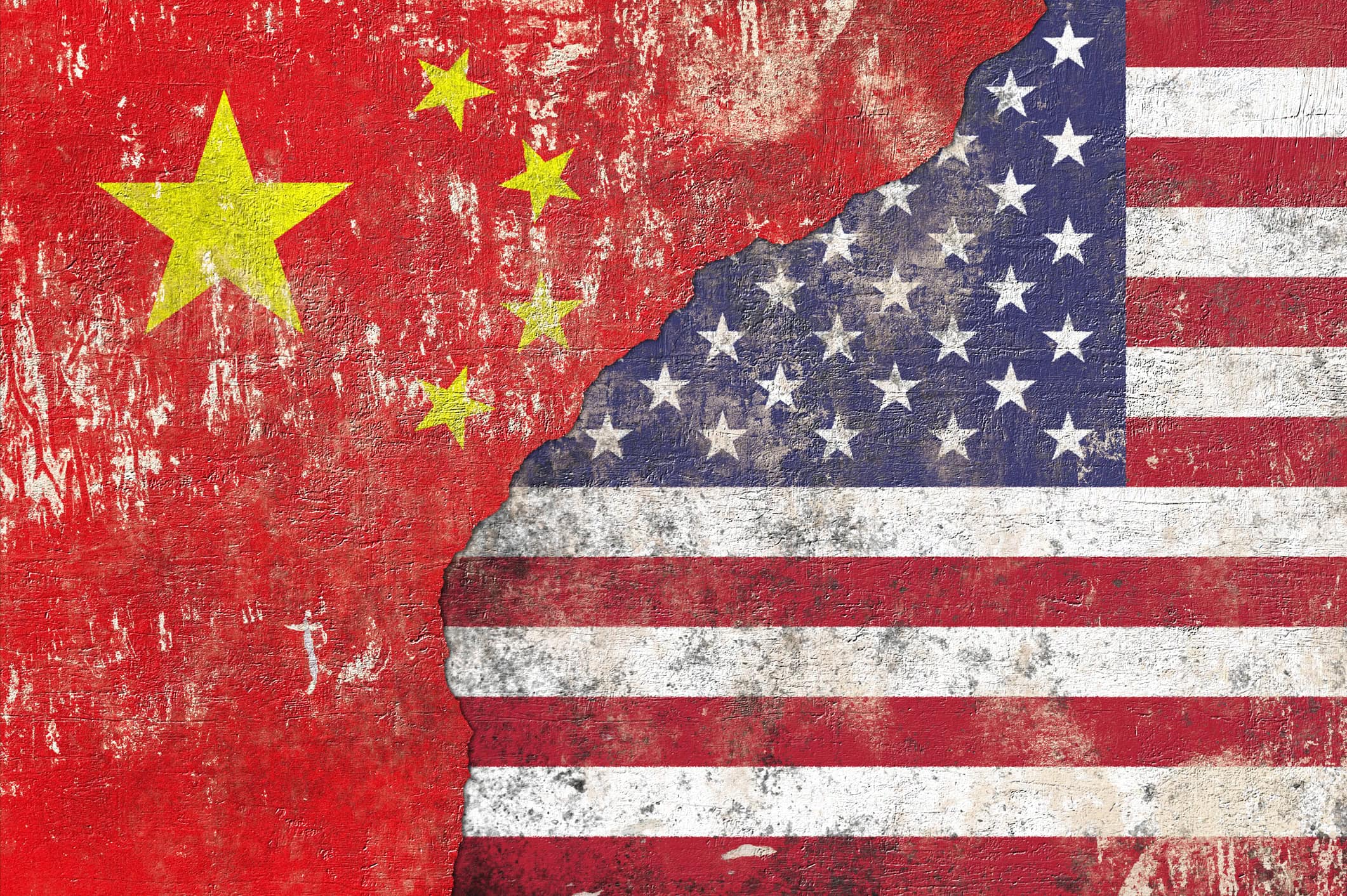
China’s stranglehold over B12 is a problem.
What’s often lost amid discussions about America’s reliance on Chinese manufacturing is the vulnerability of our most basic chemical inputs. Pharmaceutical ingredients may not hold the same futuristic mystique as essential computing components, but they are no less vital to our society. In fact, just one vitamin is necessary to make effective supplements, fortified processed food, and nutritionally viable baby formula.
Vitamin B12 (or cobalamin) is one of the most complex compounds human beings have ever attempted to synthesize. Naturally produced by bacteria in a process involving more than 30 genes and many enzymatic steps, B12 required the combined efforts of more than 100 researchers and a Nobel laureate to reproduce in a lab.
Mass production of B12 relies on fermentation. Apart from being the global leader in manufacturing, China is also the leader in that process, holding 70% of the world’s capacity. It is no wonder, then, that the United States has relied on the Chinese to produce its vitamins.
According to the World Bank, in 2018 some 90% of total American B12 imports crossed the Pacific. The pandemic forced some decoupling: the Chinese share of American imports fell to just under two-thirds by 2024. Nonetheless, the mirage of diversification obscures the fragility of this supply chain.
A close examination of fermentation capacity shows that China still maintains a virtual monopoly over the basic production of the vitamin, even if Spain and France are nominally America’s next-largest sources of the compound.
The Spanish vitamin leader HealthTech Bio Actives (HTBA) has invested millions into a facility that will allow it “to produce all active forms of vitamin B12, making it unique among European manufacturers.” However, HTBA does not conduct business in fermentation but in derivatives.
That leaves the French firm EUROAPI as the only commercially viable fermentation operation outside of China. It has developed and patented high-yield strains of B12-producing bacteria. Nonetheless, its long-term future is unclear: decreasing net sales mar its most recent earnings release. Also, it had to receive a €140 million line of “public aid” from the French government.
The West’s cobalamin mass production capacity essentially relies on a single company that hemorrhages funds and relies on subsidies. Can one call that resilience?
B12 shortages would mean concurrent, compounding crises. The vitamin is vital to human health. All cells require cobalamin: DNA synthesis and repair depend on the molecule. The trace amounts of B12 in meat and milk are usually enough to maintain a stockpile in the liver. Should the body not receive adequate cobalamin, however, the consequences can include nerve damage, paralysis, and developmental disorders in children and infants.
Accordingly, industrial-scale fermentation of the compound underpins American public health. Federal regulation requires B12 in all infant formula. And millions of Americans over 60 suffer from a B12 deficiency. Those with relatively rare pernicious anemia are unable to store adequate amounts of cobalamin and need lifelong supplementation. Vegan diets cannot supply the same concentrations of the vitamin as those that include animal products. Fortified foods, B12 ingestibles, and intramuscular injections for these populations are impossible without mass production.
Livestock require cobalamin too. Like humans, swine and poultry are not able to absorb the amounts that their bodies create and must rely on a diet to provide them. Agribusiness depends on B12 for stock-dedicated calories. In fact, studies indicate a causal relationship between cobalamin supplementation and agricultural productivity. Swine without the added vitamin experience retarded growth compared to their treated counterparts. Deficient poultry gain less weight, eat less food, lay smaller eggs, and incubate weaker embryos.
Even apart from the possibility of war, trendlines do not bode well for America’s reliance on Chinese B12. As the elderly population continues to grow, the demand for the vitamin will likely expand. The millions of vegan Americans create another persistent sink for world supplies. Since there is no substitute for cobalamin, American dependence on Chinese B12 makes the country weaker, both in war and in peace.
Even in the absence of open conflict, the Chinese have traditionally been wont to weaponize supply chain chokepoints. But 2025 brought heightened brinkmanship to the Sino-American trade war.
In October, the Chinese government launched (and later paused) a series of export controls on rare-earth minerals and permanent magnets—critical inputs in advanced military technologies. Of course, similar policies restricting the sale of vitamin B12 would be an escalation, directly targeting civilian populations. But whereas limited onshore redundancy exists for rare earths and permanent magnets, it does not for cobalamin. If the Chinese were to seek maximal leverage over Americans, a B12 export ban might be one of the most pain-inducing courses of action available.
If tensions in the Taiwan Strait ratchet up to open warfare, Chinese military doctrine reveals how B12 might play into a broader strategy. The People’s Liberation Army believes that war “is won by the belligerent that can disrupt, paralyze, or destroy the operational capability of the enemy’s operational system.” Disrupting the global supply of cobalamin is a perfect stratagem under this mindset. If so disposed, Chinese leadership could force a public health and agricultural crisis on the home front just as the global economy reels and the military is sent to fight a war in the Pacific: grandmothers without medicine; supermarkets short of basic goods; children deprived of basic needs. Imagine a pandemic during wartime.
A country that cannot produce its own nutrients is not fully sovereign. By that logic, American statecraft must address the onshoring of B12 fermentation capacity.
Any such effort will require governmental coordination and support. As mentioned, cobalamin-producing bacteria are often proprietary, especially when they produce higher yields. The infrastructure necessary for the fermentation process requires huge capital expenditures. And before potential operators even build such infrastructure or sell raw B12, they will have to contend with the goliaths of permitting and federal approvals.
Some market researchers place the entire American market for the compound (including derivatives) at $97.6 million by 2034. But venture capitalists or private industry cannot simply attack the bottleneck with brute force. And the geopolitical and health implications of B12 mean that the American people cannot stand by until the Chinese decide to turn off their fermentation vats.
Solutions will likely arrive in the Defense Production Act (DPA), legislation tailor-made for such industrial vulnerabilities. Title III incentives, especially a low-interest public loan, could allow a company to obtain proprietary bacterial strains in partnership with EUROAPI, building out an American-based production facility. Title I prioritization could compel domestically purchased raw cobalamin to be fermented in America or seed demand with government contracts. Intervention here could mitigate Chinese producers’ economies of scale. Then, DPA authorities combined with a broader “National Vitamin Emergency” executive order could expedite regulatory approval.
DPA support would go far to realize the Trump Administration’s goal of filling the six-month Strategic Active Pharmaceutical Ingredient Reserve (SAPIR)—which remains nearly empty more than five years after its inception. Moreover, they would accomplish the underlying aim of the reserve and similar efforts: building broad supply chain resilience. Six months is a buffer, not a solution, to critical shortfalls. Relying on Chinese imports to fill the SAPIR would defeat its very purpose. Public incentivization can break through the market failure, beginning with B12.
Should war come to the Pacific, the last thing Americans should think about is a vitamin.
The American Mind presents a range of perspectives. Views are writers’ own and do not necessarily represent those of The Claremont Institute.
The American Mind is a publication of the Claremont Institute, a non-profit 501(c)(3) organization, dedicated to restoring the principles of the American Founding to their rightful, preeminent authority in our national life. Interested in supporting our work? Gifts to the Claremont Institute are tax-deductible.
Suggested reading


A roadmap for the Trump Administration.
American voters will decide if the PRC wins.

Medicaid’s regulatory failures must be addressed.

With a recruiting shortfall of 25%, the U.S. Army’s total force will be undermanned by 15,000 soldiers. Leadership needs to be held accountable.

