

A brief discussion regarding theories of international relations.
Mayor Mamdani’s New York
From the West Side to the West Bank.
Editors’ Note
What follows is an excerpt from Christopher Caldwell’s essay, “Mayor Mamdani’s New York,” from the 25th anniversary Fall 2025–Winter 2026 issue of the Claremont Review of Books.
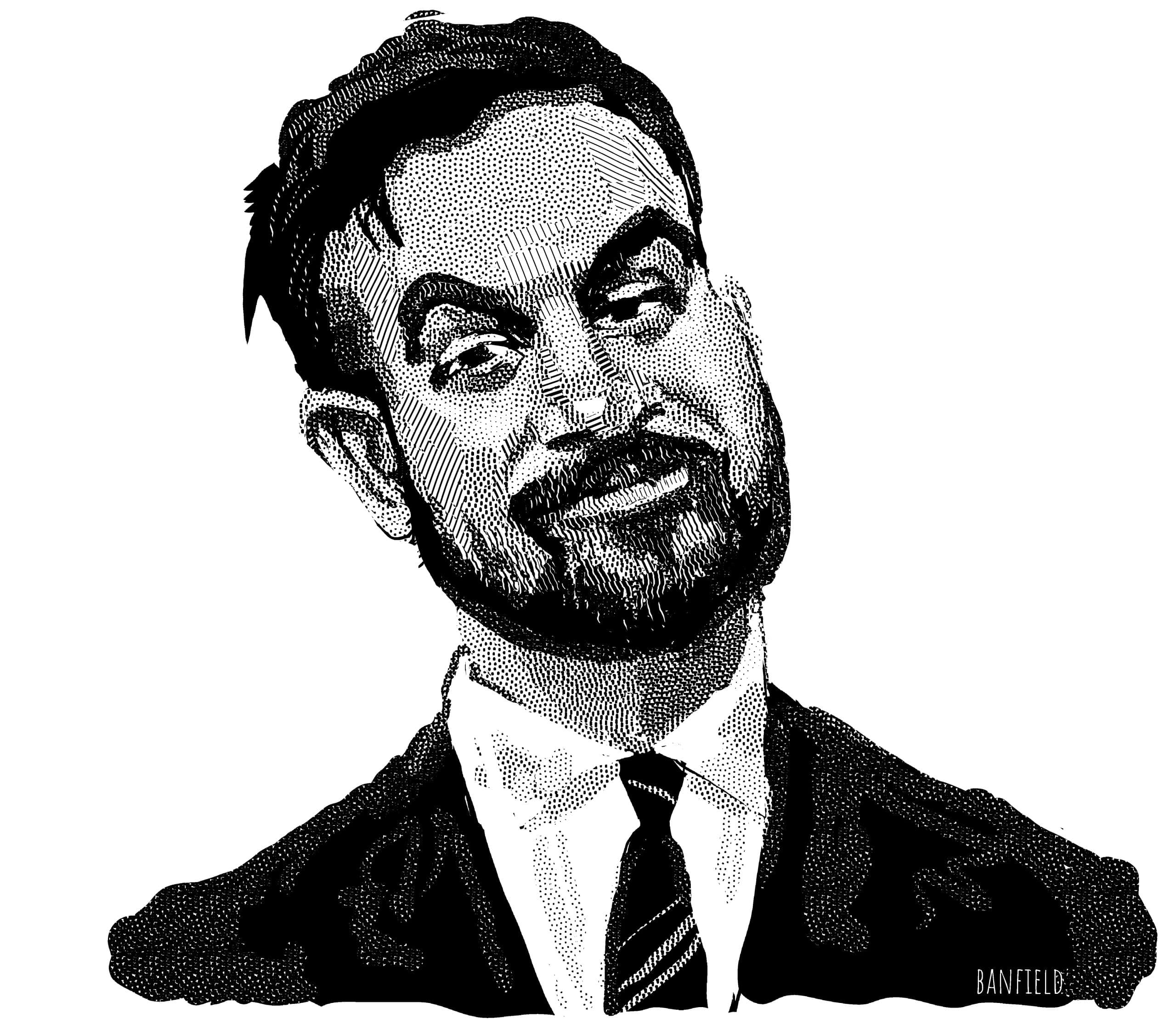
“Ana minkum wa ileikum,” shouted 34-year-old Zohran Mamdani, newly elected mayor of New York, to the heaving crowd in Brooklyn’s Paramount Theater just before midnight on Election Night. I’m one of you!
What did he mean by that? Mamdani, after all, can come off as almost comically foreign. Look at the way he waves as he walks to the podium. He doesn’t swing his arm like a regular American. He doesn’t even wiggle his hand, as the late queen did. He frantically flaps his fingertips against his thumbs, the way kindergarteners do when they are pretending to listen to an imaginary friend. There’s something a bit “off” about Mamdani, like those German spies in old movies who, despite their perfect English, give themselves away by not knowing who won the last World Series. Or like Barack Obama, who proclaimed his affection for the Chicago White Sox and then proved unable to name a single player who’d ever taken the field for them. (Mamdani fends off baseball questions, such as whether he’s a Yankees or a Mets fan, by professing himself a fan of English soccer.)
There is a difference between running for president and running for mayor. In a city that is 36% foreign-born, being foreign is a plus. And like Obama growing up in Hawaii, knowing no black people but struggling, as the age demanded, toward a black identity, Mamdani has actively crafted an outsider image. Born in Uganda, the son of the Columbia professor of postcolonial studies Mahmood Mamdani and the Indian film director Mira Nair (she directed the Disney film Queen of Katwe), Mamdani arrived in the United States at age seven from South Africa, where his father had been teaching for years. Before entering politics, he had a brief career as a rap artist under the name “Young Cardamom.”
But radical politics was always his overriding interest. Mamdani is the product of Bronx Science, an elite public high school where admission requires competitive exams, and Bowdoin, which was among the wokest handful of colleges in the country during his time there. He found his mentors in the street-savvy Democratic Socialists of America (where he was close to Bernie Sanders and New York State Representative Alexandria Ocasio-Cortez) and the city’s Muslim Democratic Club (which pursues its own kind of left-wing politics). He rallied a base of immigrants, Muslims, women, and gays. And armed with a gift for invective, he has ridden out against Donald Trump and his policy of tight borders and swift deportations. “Hear me, President Trump, when I say this,” Mamdani shouted toward the end of his victory speech. “To get to any of us, you will have to get through all of us.” President Trump, perhaps realizing such a confrontation could do him more harm than good, deferred the prospect for a bit by inviting Mamdani to the White House for an affable conversation on the Friday before Thanksgiving.
A Brand-New City
Thus far, Mamdani has had extraordinary good fortune. With the Democratic Party in disarray last winter, former New York governor Andrew Cuomo looked like he could easily take the party’s nomination away from the scandal-tarred incumbent, the black ex-cop and later Trump ally Eric Adams. Cuomo, it’s true, had resigned the governorship under a cloud of sexual-harassment allegations in 2021. But his followers figured such peccadillos would matter less in the big city. What they hadn’t reckoned with was the way the city’s electorate had changed.
Compare it to the situation in 1993, when Republican Rudy Giuliani swept into the mayor’s office. His win was a harbinger of the Republicans’ conquest of Congress the following year. Giuliani was aided by a conservative Catholic (and heavily Italian) bloc of about a fifth of the electorate that today has mostly, in one way or another, departed. More broadly, Giuliani got three-quarters of the white vote in a city that was 43%—and is now just 31%—non-Hispanic white. And that ethnic category now contains different people. The voters that political scientists describe as “progressive new class”—gays, workers in the non-profit sector, people in high tech—have risen from not much more than a tenth of the city to about a quarter. It may now be unwinnable for a Republican.
And in fact, when the dust cleared on the Democratic Party primary on June 24, the city had proved unwinnable even for an old-fashioned Democrat. Under a newly rolled-out “ranked choice” voting system, Mamdani won the nomination outright, with no need for a runoff. He and his advisors were as shocked as anybody: they had not even written a victory speech.
The race was not over, though. Cuomo re-entered as an independent and sought (in vain) to push marginal Republican nominee Curtis Sliwa out of the race. Cuomo had hoped to win with the strategy that the independent billionaire Michael Bloomberg pioneered when he became mayor in the aftermath of September 11, 2001—collaborating with the city’s business elites to finance a mammoth, if mercenary, ground operation. Cuomo had done something similar in his 2018 governor’s race and got all he could out of the strategy this time. In fact, he made an impressive showing: he got 100,000 more votes than Adams had in his winning bid four years ago.
A brand-new electorate was revealed in November. The 350,000 Muslims eligible to vote, whose turnout percentages had barely scraped into the double digits in the past, were galvanized by Mamdani’s frequent attacks on Israel, and went to the polls in droves. The city’s Jews, still a mighty force in Democratic Party politics but no longer a hegemonic vote bank, gave Mamdani only a third of their votes, with Cuomo picking up the other two-thirds. Hakeem Jeffries, the House minority leader, whose Brooklyn congressional district is a Nantucket-shaped patchwork of historically black and historically Jewish districts, pointed out that Mamdani’s support was weakest among older blacks and Latinos living in ungentrified areas. Perhaps Jeffries was seeking a non-Israel-related pretext for withholding his endorsement from a fellow Democrat more in tune with his party’s waxing hostility to the Jewish state. Other top Democrats, including senators Charles Schumer and Kirsten Gillibrand, withheld their endorsements, but Jeffries will likely face a primary next year from a Mamdani-aligned candidate, and in October, he belatedly jumped on the bandwagon. Anyway, Jeffries had a point: it was the transmogrified young population of New York that put Mamdani over the top. Mamdani won 82% of women under 30.
Read the rest here.
The American Mind presents a range of perspectives. Views are writers’ own and do not necessarily represent those of The Claremont Institute.
The American Mind is a publication of the Claremont Institute, a non-profit 501(c)(3) organization, dedicated to restoring the principles of the American Founding to their rightful, preeminent authority in our national life. Interested in supporting our work? Gifts to the Claremont Institute are tax-deductible.
Suggested reading

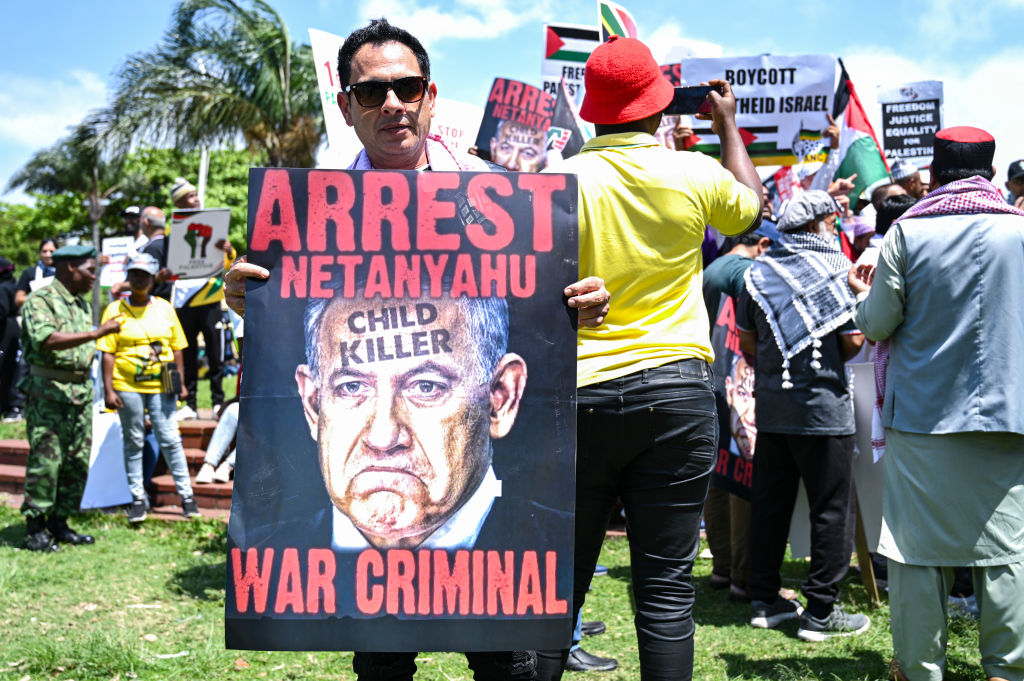
South Africa's radical decolonization efforts are an abject disaster.
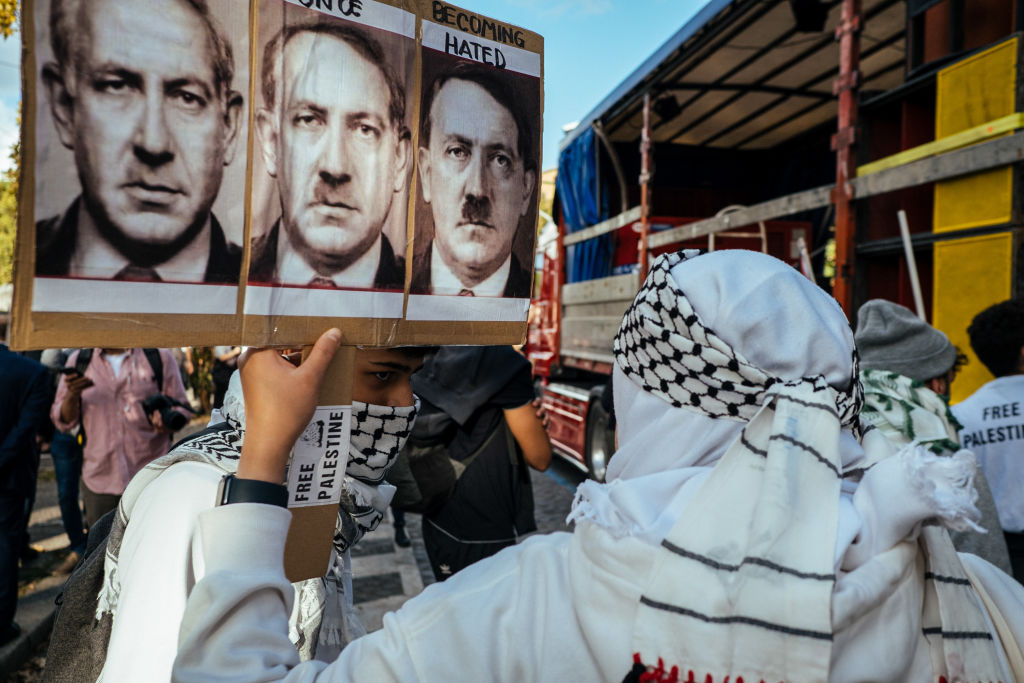
Hamas really are the real Nazis.
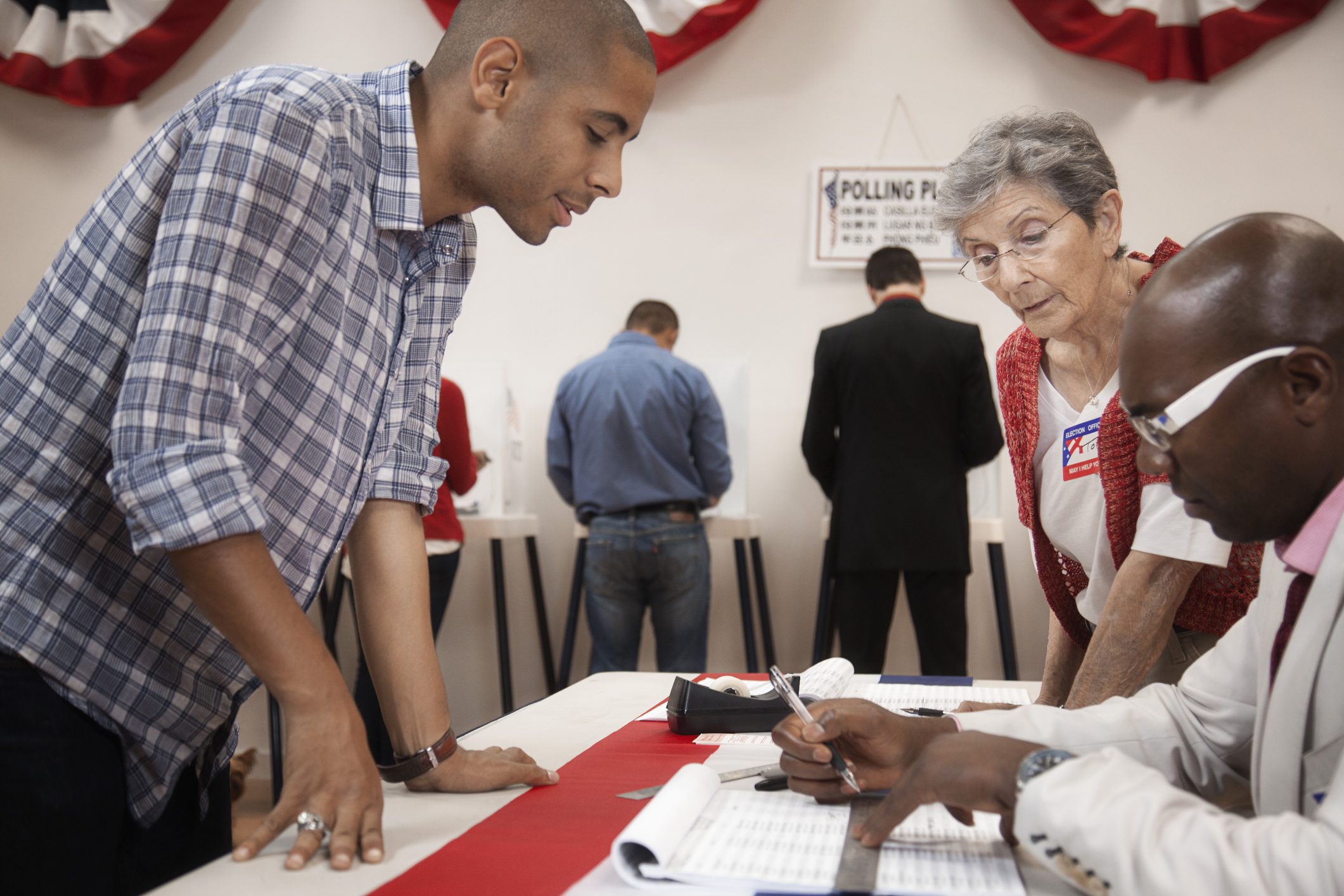
Recent electoral trends indicate significant problems for the Democrat base.

The Washington establishment works to maintain the status quo.
To spot a would-be autocrat, look for someone who undermines language.

