

Restorative reproductive medicine should be the MAHA response to infertility.
How to Conceive of Conception
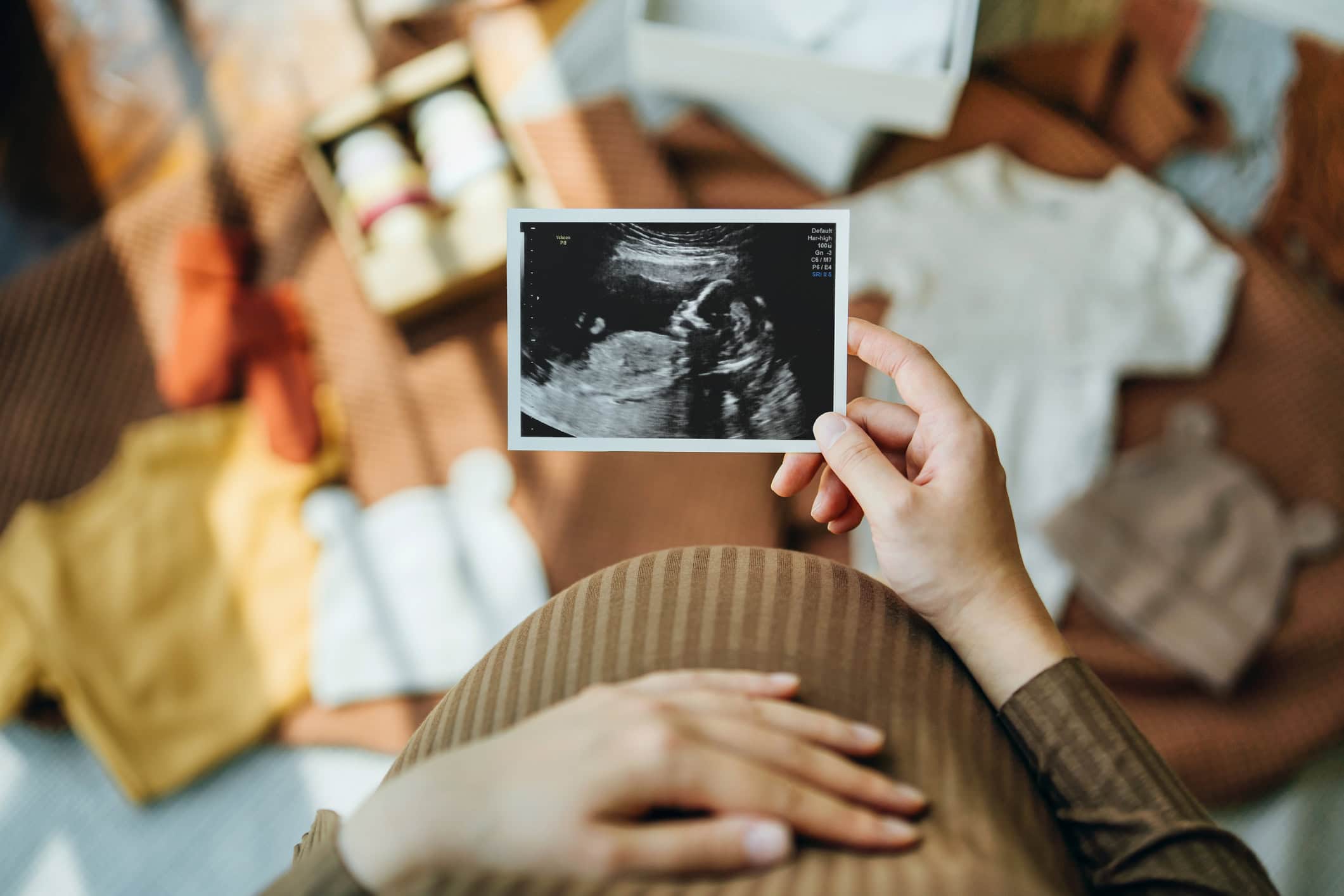
Natural law, IVF, and infertility.
The desire to bring new life into the world runs deep in human nature. We know instinctively that children are worthy of the greatest care, and that the mission of parents is among the noblest in life. If our natures did not tell us this so strongly, the pain of childbirth—with all the toil, trials, and heartbreak that follow—would never seem worth it.
The pain of unfulfilled desire for children runs equally and correspondingly deep. In Jewish and Christian Scripture, infertility is almost a byword for anguish, much as having children is a byword for joy, chief among the blessings of God (“Your wife shall be like a fruitful vine…” “The barren wife shall bear seven sons….”). From the beginning of our species to its present, the importance of raising and forming the next generation has been self-evident to all generations.
Like all good desires, it must be guided by reason. We see so painfully today and across history how seeking to fulfill natural and good desires in unnatural and distorted ways leads to chaos and unhappiness. Consider how the yearning for intimacy and for belonging has led to so much confusion in the areas of sexuality, identity, and gender. So many attempt to satiate these yearnings in disordered ways and are left unhappy and unfulfilled.
Likewise, even the powerfully good desire for children will, if unguided and unchecked, cause serious harm. Conversely, if rightly guided, that same desire will drive the healthy building up of the family and society. With this in mind, how does IVF fit into the picture?
The Ethics and Implications of IVF
On the surface, IVF might seem like a good way to support couples who strongly desire children. In a time of rising infertility, when many hesitate to bring children into the world, shouldn’t we help people fulfill the dream of having children of their own?
Yet laudable as those ends are, the means of IVF raise major moral concerns.
If it really is true—as pro-lifers have argued from the beginning of the abortion debate—that life begins at conception, then IVF almost always leads to the destruction of some of the human lives it creates. Only a small percentage of them will ever be born.
The children created by IVF are the subject of contracts. They are bought, stored, used, donated, or discarded like property. In what other context would we approve of freezing and storing human children indefinitely? Or (as when donor sperm or eggs are used) willfully depriving them of the chance to know their biological mother and father?
There is also the ever-looming temptation of eugenics. Doctors typically try to select the “best” embryos to implant, and it is also common to select embryos for other characteristics, such as sex. The temptation to “perfect” our God-given humanity is great.
But even if we could guarantee that no lives would be destroyed, that the biological mother and father were the ones bearing and raising the child, and that anything that smelled of eugenics was banned, there still remains a deeper issue that makes the creation of children outside the womb fundamentally wrong.
Simply put: IVF takes the creation of a new human life out of its proper context. With IVF, the cause of new life is no longer the embrace of the parents, but the tools of a stranger. The place where life begins is not the sanctuary of the mother’s womb, but the cold and sterile environment of a lab. The very bodies of men and women point to the reality that new life is meant to come from the free and loving intimacy of a man and a woman. Across time and culture, mankind has sought to protect this truth through the institution of marriage. Humans have recognized—not only for the good of the couple and their children, but also for society itself—that the loving bond between man and wife is the natural and best source of new life.
IVF thus undermines the same fundamental principle that the sexual revolution sought to destroy—that sex has as its ends both the union of man and wife and the creation of children. The war on monogamy and the LGBTQ movement devalued the union of man and wife; abortion in its various forms thwarted the fruitful purpose of that union.
We can see today the devastation that this war on sexual reality has caused: the breakdown of families, a general confusion about sexuality, and millions dead to abortion. It is not enough just to point these things out and argue against the immorality of the sexual revolution and its aftermath. We need strong, loving, rightly ordered marriages open to life to showcase the truth, the beauty, and ultimately the joy that comes as a result of following this fundamental principle. We have to show that life is a gift that comes from love. It is not something we create but something that we accept.
A Word on Infertility
This knowledge might seem little comfort to those who struggle with infertility. To miss out on one of life’s greatest gifts might seem a weight too great to bear. But there are reasons for courage and hope.
Many couples have struggled with this suffering. Some, believing or being told they would never have a child, were given one. There are technologies and medications that help couples conceive naturally without taking conception out of its proper context. Another option is adoption—a wonderful way to bring a child into the context of a loving relationship they might not otherwise have had.
There is a third way, too. Couples could look at infertility as an opportunity to be fruitful in other ways that would not be possible with biological children of their own. They could live out a sort of spiritual motherhood or fatherhood through service and presence to the many who need such a figure in their lives. Throughout history, many men and women who had no children of their own mirrored the role of a parent through their sacrifice and devotion: George Washington, Mother Theresa, and Father Damien are some examples. It is no coincidence that so many of these men and women were called by the title “Father” or “Mother.”
Technology today can numb us to many pains. But there are still many forms of suffering that can only be eliminated at a great and unacceptable cost. For one who truly appreciates the blessing that children can be, the cross of childlessness may be a hard one to bear—but it is not a fruitless one.
The American Mind presents a range of perspectives. Views are writers’ own and do not necessarily represent those of The Claremont Institute.
The American Mind is a publication of the Claremont Institute, a non-profit 501(c)(3) organization, dedicated to restoring the principles of the American Founding to their rightful, preeminent authority in our national life. Interested in supporting our work? Gifts to the Claremont Institute are tax-deductible.
Also in this feature

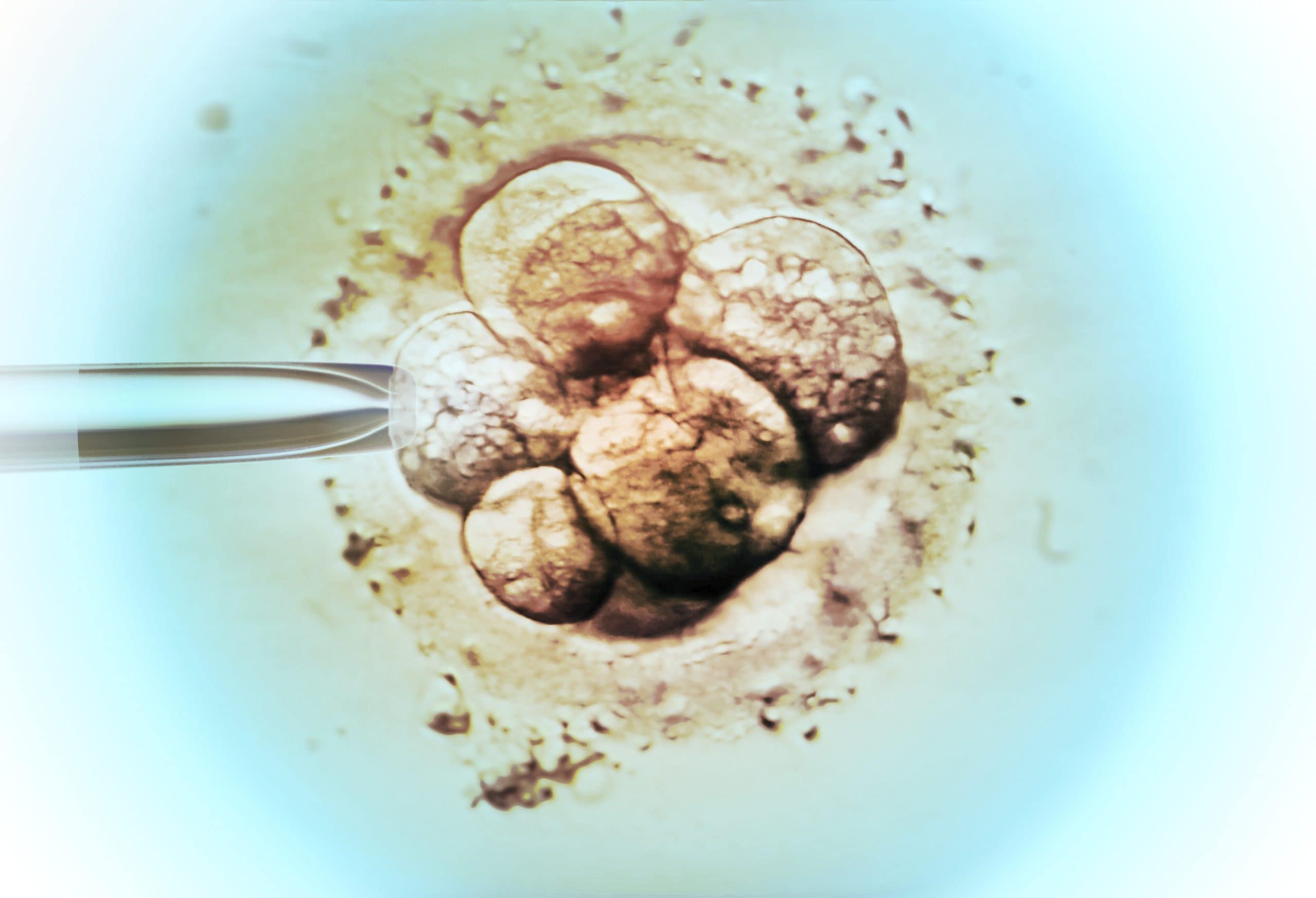
What the pro-life movement needs is clarity, not reactionism.

Our current birth dearth will not be solved by assisted reproductive technologies.
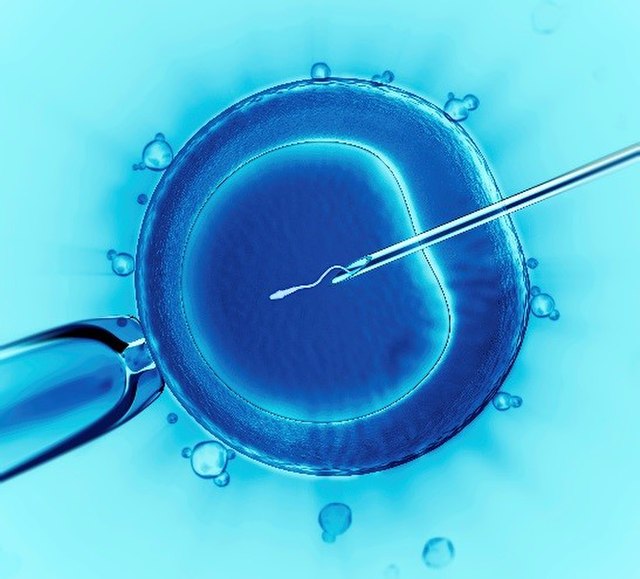
Challenges and opportunities in a fraught domain.

