

What the pro-life movement needs is clarity, not reactionism.
An Ethical Alternative to IVF

Restorative reproductive medicine should be the MAHA response to infertility.
Approximately 10-15% of U.S. couples of reproductive age experience infertility. One response is to pursue in vitro fertilization (IVF), which is fraught with many negative ethical and practical implications. Another way is to get to the root cause of infertility. Shouldn’t that be the MAHA way?
President Trump expanded access to IVF with his February 2025 executive order. In October, he lowered costs for IVF and other fertility treatments.
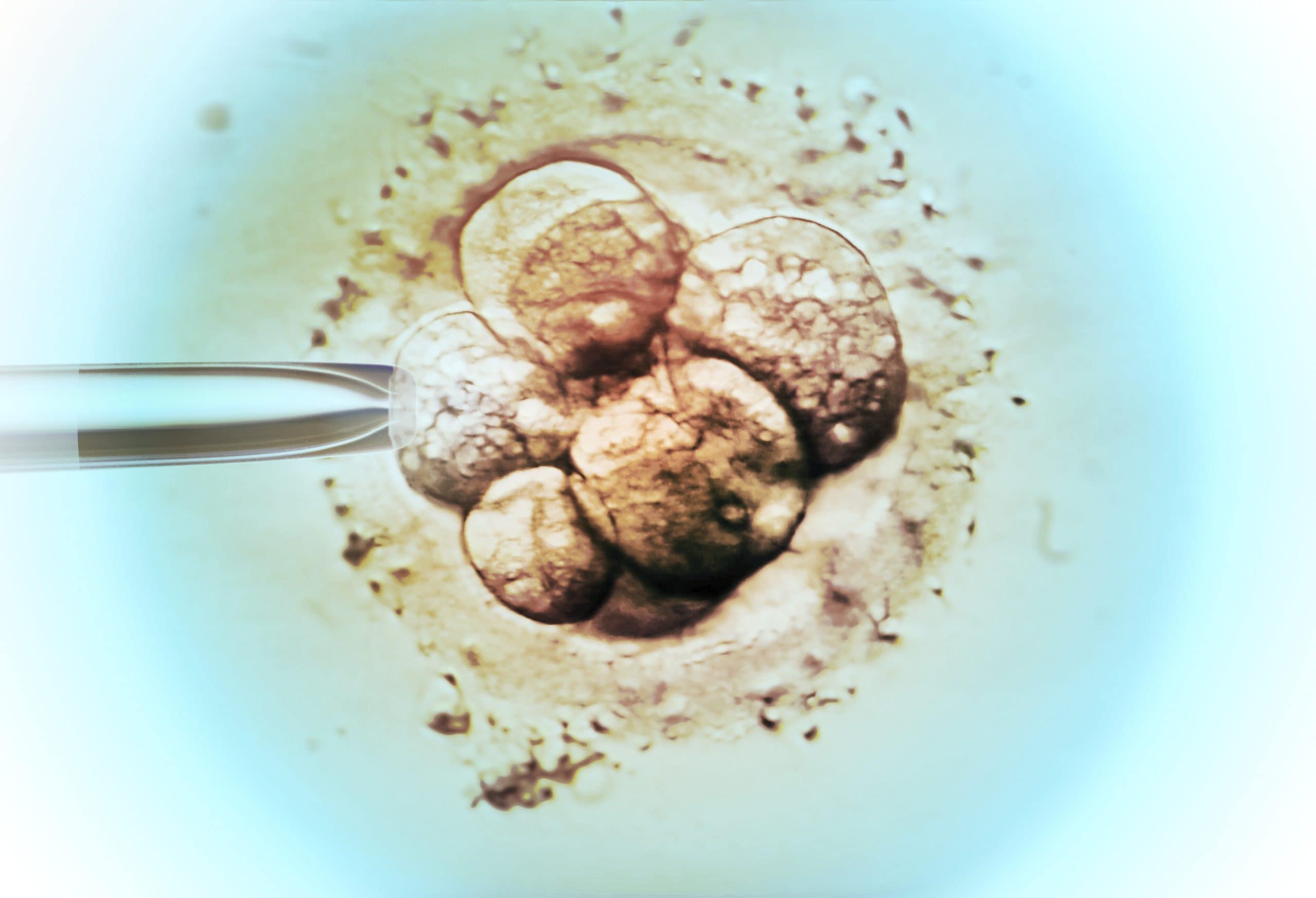
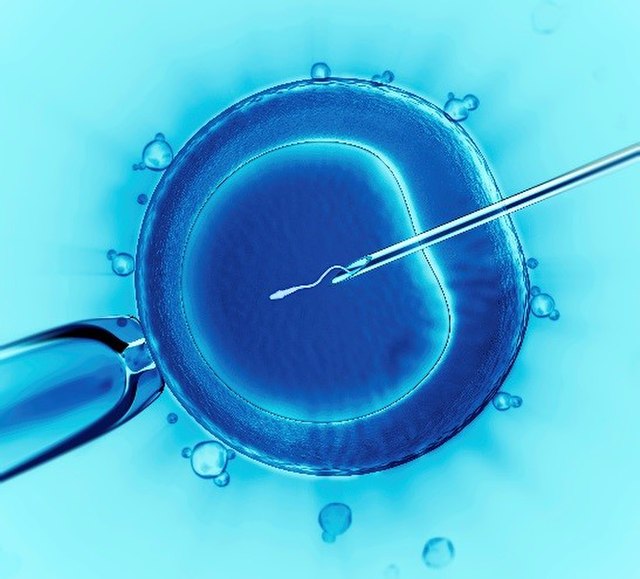
While IVF does indeed “create” more babies, it comes at a steep physical, emotional, and ethical cost for couples (for an in-depth discussion of these and other issues relating to IVF, please see my podcast episode with Emma Waters on Bioethics Babe). At its heart, IVF circumvents infertility by moving procreation outside the body. Instead of healing the underlying causes that prevent conception, IVF bypasses them entirely. Eggs are harvested from the woman, sperm is collected from a man and introduced in a petri dish, and multiple embryos are created. A few are transferred to the womb; others are frozen indefinitely, discarded, or used for research.
The first concern is the loss of human life inherent to the IVF process. Each embryo created is a unique human being with his or her own genetic code. Yet only a fraction will ever be implanted or born. Some will not survive the freezing and thawing process; others will be implanted and die; still others will be discarded, used for research, left indefinitely in a frozen state, or made (horrifically) into jewelry. When we reduce human beings to surplus inventory, we risk dulling our sense of the intrinsic value of every human life. Those who do make it to live birth may at some point in their lives have to deal with survivor guilt or agonize over what to do with their frozen siblings.
The second concern is the toll on women’s bodies. To stimulate the ovaries into producing multiple eggs, women undergo daily hormone injections and procedures that can cause severe bloating, pain, and, in rare cases, ovarian hyperstimulation syndrome—a potentially life-threatening condition. The physical and emotional strain of repeated cycles, coupled with success rates that often hover below 30% per attempt, can lead to debt, disappointment, and heartbreak.
Beyond individual risks lie broader cultural questions. IVF and related technologies have opened the door to practices once confined to science fiction: embryo selection based on sex, perceived health, or other eugenic considerations, and genetic screening for preferred traits. When reproductive technology becomes a market, our understanding of the child shifts from gift to product—a result purchased through technical control rather than conceived in the intimate act of marital love. This is not a step forward for human dignity.
The U.S. fertility industry, now worth billions, remains highly unregulated. There are no federal limits on how many embryos may be created or how long they can be frozen. Success is measured in live-birth statistics, not in ethical terms. An honest public conversation about IVF must include oversight and transparency.
There is another way, and it will truly make America healthy again. It’s called Restorative Reproductive Medicine. As its name indicates, it is an approach that diagnoses and treats the underlying causes of infertility to restore fertility wherever possible. Why put a bandaid on infertility if we can help couples heal the root causes? Restorative Reproductive Medicine has shown success rates comparable to or better than IVF, without destroying embryos or putting extra risks on the mother’s health. Rather than bypassing the body, restorative care works with it, actually improving overall health and fertility.
Infertility is caused by a number of issues, so the restorative approach involves first identifying the origin of the infertility—whether it rests with the woman, the man, or a combination of them both. If (for example) it turns out the cause is hormone levels that are out of optimal range, the approach is supplementation. If a woman has endometriosis, she may require an excision surgery that completely removes endometrial growths and scar tissue. More often than not, when the underlying health conditions are addressed, the couple can go on to have children naturally.
It’s a model that honors a couple’s beautiful desire for children, restores their body to health, and respects the dignity of human life in how it is created.
The longing for a child is deeply human and good. Those who walk the path of infertility deserve empathy and support on their journey. We are also in a time of rapidly declining birth rates worldwide, so as a society we would do well to have more children—but not at any cost.
Children are not owed to any of us; they are blessings. A good desired end (a child) doesn’t justify morally fraught means such as IVF. And the good news is that restorative care helps many couples become parents through each other as God and nature intended, and not in a petri dish that takes the unitive and procreative act out of the equation. We should not rush to normalize conception by laboratory.
We can achieve President Trump’s dream of “many more beautiful American children” in a way that both respects human life and actually gets to the root cause of disease in infertile couples. The way forward is to invest in treating the root cause of infertility and thus also making Americans healthy again, which will benefit them all around, even outside of the fertility context.
Despite these concerns about the expansion of IVF, the silver lining from President Trump’s order is that employers can choose to offer Restorative Reproductive Medicine as a healthcare benefit for their employees instead. We should look to this as the way forward.
The American Mind presents a range of perspectives. Views are writers’ own and do not necessarily represent those of The Claremont Institute.
The American Mind is a publication of the Claremont Institute, a non-profit 501(c)(3) organization, dedicated to restoring the principles of the American Founding to their rightful, preeminent authority in our national life. Interested in supporting our work? Gifts to the Claremont Institute are tax-deductible.
Also in this feature

Natural law, IVF, and infertility.

Our current birth dearth will not be solved by assisted reproductive technologies.
Challenges and opportunities in a fraught domain.

